What Forest School Means to Me: A Practitioner’s Perspective
Forest School is far more than simply taking children outdoors. For me, it is a child-centred, long-term approach to learning that uses natural environments to support children’s emotional, social, physical, and cognitive development.
As a Level 3 qualified Forest School Leader, I have had the opportunity to lead Forest School sessions for preschool children aged 2–5, and through this work I have seen first-hand the powerful impact Forest School can have on young children’s learning and wellbeing.
Forest School and the Forest School Association Principles
My practice is guided by the six principles set out by the Forest School Association (FSA), which ensure Forest School remains a purposeful and meaningful approach rather than simply outdoor play. https://forestschoolassociation.org/
Forest School Is a Long-Term Process
Forest School is not a one-off experience. In my role as a Forest School Lead, I have delivered regular sessions over time, allowing children to become familiar with the environment, develop routines, and build confidence at their own pace.
Working with children aged 2–5, I have seen how repeated visits help even the most hesitant children grow in confidence. Children who were initially unsure of muddy ground, uneven surfaces, or new experiences gradually become more independent and willing to explore.
Forest School Takes Place in a Natural Environment
All of my Forest School sessions take place in natural outdoor environments, which offer rich opportunities for sensory exploration and learning. These spaces allow children to experience the seasons, weather, wildlife, and natural materials in ways that cannot be replicated indoors.
For young children in particular, the woodland environment supports curiosity, awe, and wonder, encouraging them to engage deeply with their surroundings through play and exploration.
Forest School Supports Holistic Development
One of the most rewarding aspects of my work has been seeing how Forest School supports the whole child. Through Forest School sessions, I have observed clear developments in children’s:
- Confidence and self-esteem
- Communication and social skills
- Physical coordination and strength
- Problem-solving and perseverance
Children who may struggle in a traditional classroom setting often thrive outdoors, finding their voice through hands-on, practical experiences.
Forest School Is Learner-Centred
My sessions are child-led, with activities shaped by children’s interests, ideas, and needs. As a Forest School Leader, my role is to observe, listen, and respond rather than direct learning.
I have seen how allowing children to make choices—whether building a den, exploring insects, or engaging in imaginative play—leads to deeper engagement and a strong sense of ownership over their learning.
Forest School Encourages Risk Awareness
Risk is an important part of learning at Forest School. Through carefully planned and supervised activities, children learn to assess risk for themselves. Even at a young age, children benefit from opportunities such as climbing, using tools appropriately, or navigating uneven terrain.
I have seen how this approach builds confidence, resilience, and trust in their own abilities, while still maintaining a strong focus on safety.
Forest School Is Led by Trained Practitioners
As a Level 3 Forest School Leader, I understand the importance of reflective practice, ongoing observation, and creating inclusive environments where all children feel supported. I continually adapt sessions based on children’s interests, developmental stages, and individual needs.
This professional training allows me to ensure sessions are safe, purposeful, and aligned with Forest School principles.
What Forest School Looks Like in Practice
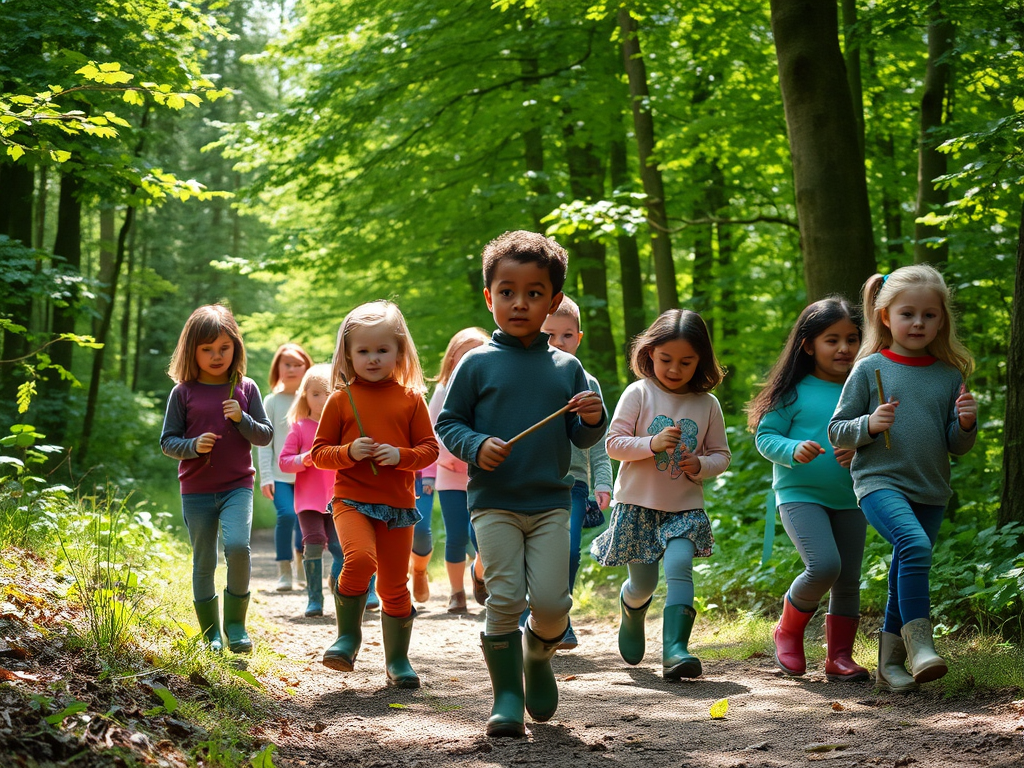
In my Forest School sessions with preschool children, activities often include:
- Exploring natural materials such as sticks, leaves, and mud
- Building simple shelters and dens
- Storytelling and imaginative play outdoors
- Seasonal crafts and nature-based art
- Sensory exploration and movement
Each session is flexible and evolves naturally, guided by the children and the environment.
The Impact of Forest School
Leading Forest School has shown me just how valuable this approach can be. I have witnessed children grow in confidence, develop resilience, and build strong relationships with both peers and adults. Forest School provides children with the time, space, and freedom to be themselves while learning in a meaningful and supportive way.
By following the Forest School Principles, I can ensure that children are able to foster a love of nature. If you would like some more information about some of the activities we have done in Forest School, see my next post!
Do you value Forest School for preschoolers? If so, please leave me a comment and tell me about your experience.
 Early Years Insights
Leave a comment